This is the closest I’ve been to feeling like a filmmaker. The first I heard of this idea of collaborating with the London Symphony was in 2022 when Gian Paolo first approached me about this project. He had a contract with Warner Classics that would allow him to publish and distribute an album with them. And he had contacts within the industry with the London Symphony, Royal Philharmonic, and other orchestras in the UK. Most importantly, as I discovered later, was the contact with Michael Fine, a legendary producer who worked for many years at Deutsche Grammophone, and is a fine clarinettist and prolific composer as well.
They offered me a chance to be the soloist for the Beethoven 4th Piano Concerto in G major, Op. 58. I mean, it’s a dream come true! The concerto has lived with me for some time and I was humbled to pay hommage to my time studying this piece with my mentor, teacher, and friend John Perry.

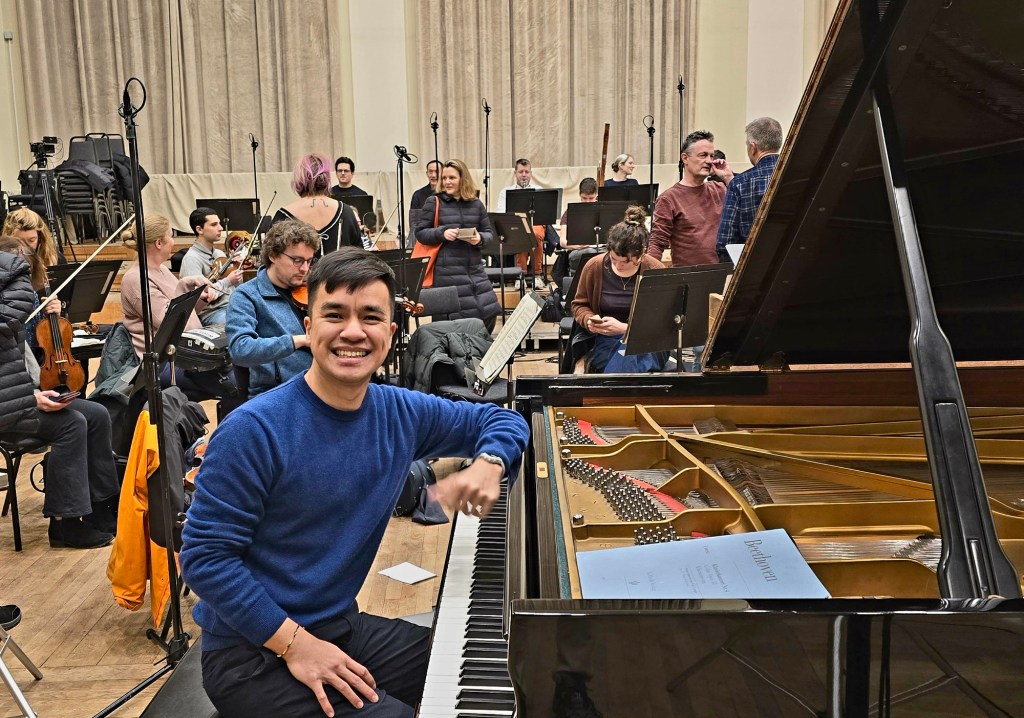
January 21, 2025 finally rolled around and we spend a solid day doing each movement. And by a solid day, what I mean to say is: the most exhausting, rewarding, gruelling, mentally taxing, and thrilling day in my musical life. Thus far.
Thankfully we had Michael behind the scenes listening intently, calmly directing the orchestra and the poor pianist (me) in all the little errors and ensemble issues. You might be wondering, did we get any rehearsal time to get to know each other musically? Nope. You might also be wondering, did I get much time with the piano beforehand? Nope.
And so, what do you do? You just get on with it. Time is ticking, and one of the best orchestras in the world is waiting for me to nail it.
How could I have prepared better in hindsight?
I could have recorded myself more. I really could have listened to my own playing, pulse, and everything a lot more before sitting down in a foreign space, foreign piano, foreign collaborators, and foreign environment.
I could have recorded myself trying to nail certain difficult passages especially in the last movement more so I could put myself in a similarly pressured environment prior.
These two preparation techniques, more so than using metronome, practicing with rhythms, or slow intent practice, would have meant more mainly because I needed to be SO solid.
Would you like to know something else that I discovered?
Often, I would make mistakes and we would have to start again (or simply repeat the section), and I found that if I swore or was frustrated at myself, the following take would either contain the same mistake or sound even worse.
However, if I smiled, chuckled at myself, and took a deep breath, the next take would be better. It didn’t mean it would be perfect, but it certainly meant I was in a better state of mind. Especially when one is in a high pressured environment, these little pivots in mindset matter immeasurably.


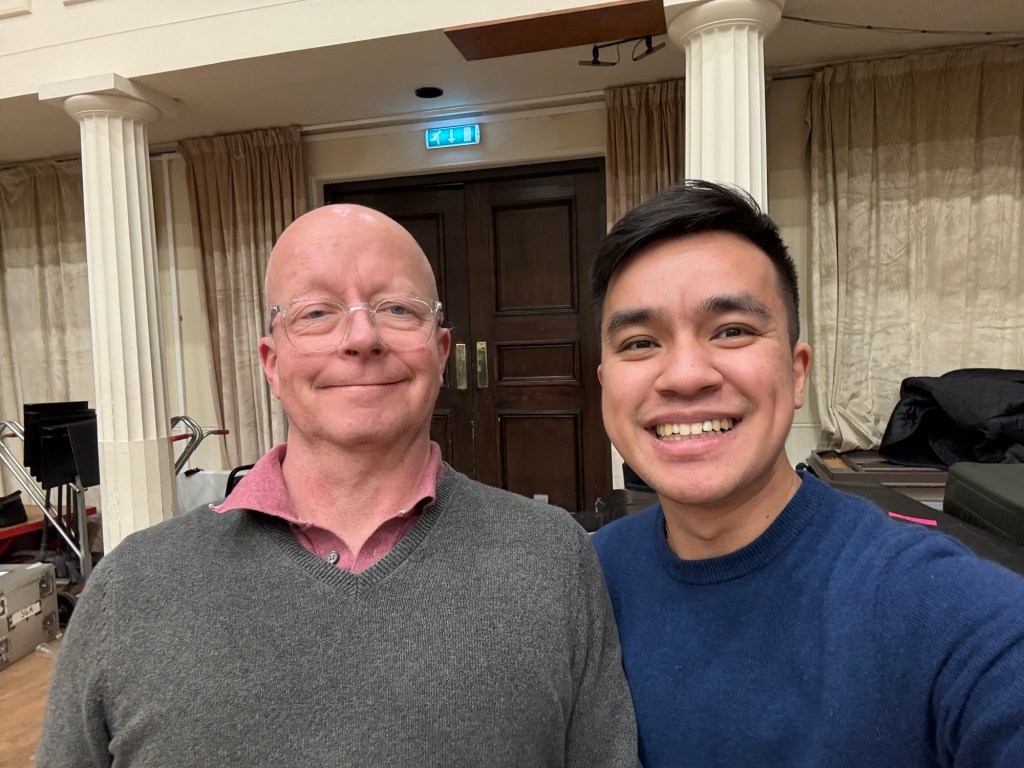

The whole collaboration went by so quickly. We met up the following day just to touch up the 3rd movement. Mainly because I was exhausted the day before, and I needed some time to practice 2 sections that were plaguing my mind (and fingers) with errors that I could barely recover from.
We reserved the orchestra for more time and sessions than we actually needed, which is the smart thing to do.
What a time. What an experience!!
 Chris Ka Long Au
Leave a comment